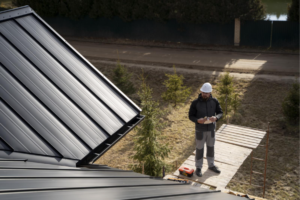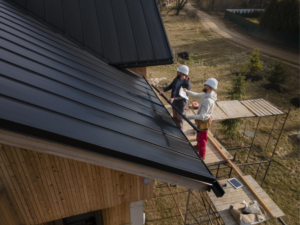

Choosing the right roof system is a critical decision for any commercial property owner. Different types of commercial roofing systems offer varying levels of durability, energy efficiency, and long-term value. Making an informed choice helps protect your investment, control operating costs, and ensure the building performs well for years to come.
Why Choosing the Right Commercial Roof System Matters
The roof is one of the most important structural components of a commercial building. It protects the interior from weather, supports energy efficiency, and influences maintenance costs. Selecting the wrong system can lead to frequent repairs, higher energy bills, and early replacement. By understanding roofing options, building owners can choose a solution that matches their climate, budget, and operational needs.
Overview of Common Types of Commercial Roofing Systems
Commercial roofing systems are designed to meet different structural and environmental demands. Each system has strengths and limitations that should be evaluated before installation.
Single Ply Membrane Roofing Systems
Single ply roofing systems are popular for flat and low slope commercial roofs. They use flexible sheets that create a waterproof barrier and are relatively easy to install. These systems are widely used due to their balance of cost, performance, and adaptability.
Metal Roofing Systems
Metal roofing is known for durability and longevity. It performs well in various climates and offers strong resistance to wind and fire. While the initial cost is higher, metal roofing often provides long term savings through reduced maintenance and extended lifespan.
Understanding TPO Roofing Systems
TPO roofing is one of the most widely used commercial roofing systems today. It combines affordability with strong performance, making it attractive for many building owners.
Benefits of TPO Roofing
TPO roofing reflects sunlight effectively, which helps reduce cooling costs. It resists Mold, dirt buildup, and UV damage. Its welded seams create a strong waterproof surface that performs well under stress.
Considerations Before Choosing TPO
While TPO offers energy efficiency, installation quality is critical. Poor workmanship can reduce lifespan. Building owners should ensure the system is installed by experienced professionals to maximize performance.
Understanding EPDM Roofing Systems
EPDM roofing has been used for decades and is valued for its reliability and flexibility.
Benefits of EPDM Roofing
EPDM performs well in extreme temperatures and resists cracking. Its dark surface absorbs heat, which can be beneficial in colder climates. The material is durable and often requires fewer repairs over time.
Limitations of EPDM
EPDM does not reflect heat as effectively as other systems. This may increase cooling costs in warmer regions. Proper maintenance is essential to ensure seams remain sealed and watertight.
Metal Roofing for Commercial Properties
Metal roofing systems offer a different approach compared to membrane options. They are especially suitable for buildings seeking long term durability.
Advantages of Metal Roofing
Metal roofs can last several decades with minimal maintenance. They are energy efficient when coated with reflective finishes and perform well under harsh weather conditions. Their strength reduces the risk of damage from debris or storms.
Cost and Installation Factors
Metal roofing has higher upfront costs and requires skilled installation. However, the long lifespan and low maintenance needs often justify the investment for many commercial properties.
Comparing TPO vs. EPDM vs. Metal Roofing
Comparing roofing systems helps clarify which option best fits your building goals. TPO excels in energy efficiency and affordability. EPDM offers proven durability and flexibility. Metal roofing provides unmatched longevity and structural strength. Each system serves a different purpose, and the best choice depends on climate, budget, and building use.
Energy Efficiency and Roofing System Selection
Energy efficiency is a key factor in commercial roofing decisions. Roof systems influence heating and cooling performance, which directly affects operating costs. Reflective materials like TPO and coated metal roofs help reduce heat absorption. Choosing an energy efficient system supports sustainability goals and lowers utility expenses.
Climate and Environmental Considerations
Local climate plays a major role in roof system performance. Hot regions benefit from reflective membranes. Cold areas may favour systems that retain heat. Areas with heavy rain or wind require durable materials with strong seam integrity. Matching the roof system to environmental conditions improves reliability.
Maintenance Requirements Across Roofing Systems
Maintenance needs vary by system. Single ply membranes require regular inspections to monitor seams. Metal roofs need checks for fasteners and coatings. Understanding maintenance expectations helps property owners plan budgets and avoid surprises.
Long Term Cost and Lifecycle Value
The true cost of a roof extends beyond installation. Lifecycle value includes maintenance, repairs, energy savings, and replacement timing. While some systems cost more initially, they may offer greater long-term savings. Evaluating total cost of ownership leads to smarter investment decisions.
How Building Use Affects Roof Choice
Different commercial buildings have different needs. Warehouses, offices, and retail spaces place unique demands on roofing systems. Roof load capacity, foot traffic, and equipment placement should all be considered when selecting a system.
Working With Roofing Professionals for Better Decisions
Expert guidance helps building owners avoid costly mistakes. Professionals assess structural needs, recommend suitable systems, and ensure proper installation. Their experience supports long term performance and compliance with building standards.
Planning for Future Upgrades and Expansion
Roof systems should support future building plans. Some systems allow easier modifications for solar panels or expansions. Considering future needs during selection prevents premature replacement or redesign.
Conclusion
Choosing the best roof system for your commercial property requires careful evaluation of materials, performance, and long-term value. By comparing TPO, EPDM, and metal roofing systems, building owners can make evidence-based decisions that protect their investment. The right roofing system improves energy efficiency, reduces maintenance costs, and ensures dependable protection for years to come. Ready to invest in a durable, energy-efficient roofing solution? Contact us today for professional advice.