
Strong commercial roof maintenance is essential for protecting your building, avoiding unexpected disruptions, and supporting long-term business continuity. When you stay ahead of repairs and schedule regular flat roof inspection appointments, your roofing system lasts longer and performs better.
This helps business owners and property managers reduce costs, extend roof lifespan, and prevent issues that can damage equipment, stockrooms, or office spaces. Efficient maintenance also improves safety, energy efficiency, and overall peace of mind.
The Role of Commercial Roof Maintenance in Business Continuity
Commercial roofs protect everything beneath them. Without routine care, they weaken as heat, wind and moisture take a toll. When systems fail, businesses experience downtime that affects revenue and customer trust. Regular maintenance lowers these risks and gives companies peace of mind.
Why Business Continuity Depends on a Healthy Roof
Business continuity requires predictable operations. When a roof leaks or suffers structural damage, the building may need immediate repairs. This results in temporary closures or safety restrictions. Even small leaks can damage wiring, insulation and stored goods. Since moisture spreads quickly, the cost of interruption grows fast. Roof maintenance slows wear and keeps materials stable through every season.
How Maintenance Prevents Unplanned Shutdowns
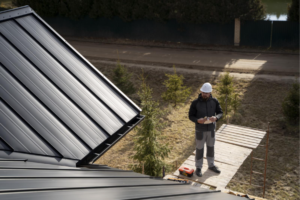
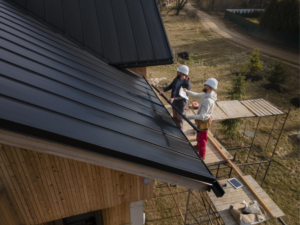
Maintenance ensures early detection of issues. During a flat roof inspection, a roofing professional checks seams, flashing, drainage and TPO roofing surfaces. They also confirm that equipment penetrations remain sealed. When these areas remain secure, sudden leaks become less likely. As a result, your teams can continue working without disruption.
Understanding the Lifespan of Commercial Roofs
Every commercial roof has a projected lifespan. However, this lifespan changes based on weather, maintenance frequency and installation quality. A well-maintained roof lasts significantly longer than a neglected one.
Factors That Influence Roof Lifespan
Many factors determine how long a roof lasts. Temperature swings, UV exposure, debris buildup and drainage problems all make a difference. Seasonal storms also contribute to wear. When maintenance is routine, these threats become manageable. Inspections catch cracks early. Seams can be resealed before water reaches insulation. This simple prevention strategy extends roof lifespan.
How Maintenance Extends Roof Lifespan
Consistent care gives your commercial roof the best chance to perform well over time. Materials such as TPO roofing respond well to pressure washing, membrane conditioning and seam reinforcement. Since these membranes expand and contract daily, routine checks reduce stress on the system. Over time, this slow approach helps keep your roof stronger, cleaner and safer.
What Happens During a Professional Flat Roof Inspection
A flat roof inspection is an essential part of commercial roof maintenance. It provides a full evaluation of your system. The report offers insight into roof health and lists potential risks.
Surface Examination and Core Checks
A roofing expert evaluates membrane surfaces for punctures, blisters and debris. They also check fasteners, plates and seam welds. If the roof includes TPO roofing, technicians verify that weld strength meets standards. This keeps your membrane watertight.
Drainage and Water Flow Assessment
Water must flow away from the building. Ponding accelerates roof damage. During inspection, a technician reviews drains, scuppers and gutters. Clear pathways reduce the risk of standing water and structural stress.
Structural Integrity and Moisture Detection
Moisture detection tools help locate hidden leaks. A technician may use infrared scans or probes to check insulation. When moisture is found early, repairs stay affordable. When it is missed, restoration becomes more complicated.
Common Problems Found During Roof Maintenance
Maintenance uncovers issues that might remain hidden. These concerns can escalate and cause expensive failures if ignored.
Membrane Damage and Wear
Small punctures and tears often come from foot traffic or loose tools. TPO roofing surfaces may develop thin spots after years of exposure. These issues allow water infiltration but are easy to repair when caught early.
Clogged Drains and Poor Water Flow
Debris, leaves and windblown particles clog drainage systems. Since water has nowhere to go, ponding occurs. This shortens roof lifespan and stresses seams.
Loose Flashing and Open Seams
Flashing protects the edges and transitions of the roof. If flashing becomes loose, water enters vulnerable areas. Regular maintenance keeps these points sealed.
Benefits of Regular Commercial Roof Maintenance
Maintenance offers immediate and long-term benefits. These advantages help businesses stay safe, efficient and financially stable.
Reduced Repair Costs
Since roof maintenance detects problems early, repairs remain small. This helps businesses avoid large, unexpected expenses. When you compare the cost of annual maintenance with emergency repair fees, the savings become clear.
Improved Energy Efficiency
A well-maintained roof reduces heat loss and improves insulation quality. TPO roofing reflects sunlight well, which helps lower cooling costs. When the membrane stays clean and intact, energy performance improves.
Longer Roof Lifespan
Routine inspections and service extend roof lifespan. This delays replacement costs and reduces capital expenses. A stable roof supports long-term planning and regular budgeting.
Better Protection Against Weather
Strong winds, heavy rain and UV exposure can damage commercial roofs. Maintenance strengthens the overall system. When storms approach, your building remains protected.
How Roof Maintenance Supports Safety and Compliance
Safety and compliance are top priorities for companies. A well-maintained roof supports both goals.
Preventing Structural Hazards
Leaks create slippery floors, Mold growth and electrical risks. Maintenance eliminates these hazards. When your roof stays dry, your workplace stays safe.
Meeting Insurance Requirements
Many insurers require documentation of regular maintenance. When you provide inspection reports, your coverage remains valid. This also supports your claim if storm damage occurs.
Supporting Local Building Codes
Building codes change over time. Maintenance ensures your roof complies with current standards. If upgrades are needed, they can be planned rather than rushed.
Why TPO Roofing Benefits from Scheduled Maintenance
TPO roofing remains popular because it is durable, reflective and energy efficient. However, it still needs consistent maintenance.
Regular Cleaning Improves Performance
Dirt reduces reflectivity. When you remove debris and stains, the roof reflects heat better. This helps maintain energy savings.
Seam Reinforcement Prevents Leaks
TPO roofs rely on welded seams. Over time, seams may weaken. Maintenance ensures each seam stays strong and watertight.
Monitoring Expansion and Contraction
Temperature changes cause TPO to shift slightly. Maintenance checks stress points and prevents small cracks from spreading.
Conclusion
Commercial roof maintenance is vital for business continuity, long-term building performance, and strong financial protection. By scheduling regular flat roof inspections, caring for materials like TPO roofing, and addressing issues early, businesses avoid unexpected downtime and costly repairs. A well-maintained roof keeps employees safe, protects inventory, and supports efficient operations throughout the year. When you invest in maintenance, you invest in stability, reliability, and long-term success. Contact us today to schedule your commercial roof inspection and keep your operations running smoothly.