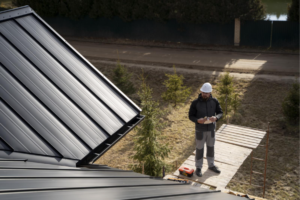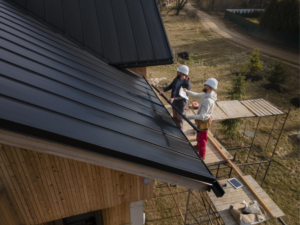

The demand for sustainable building practices is growing, and roofing is one of the areas where environmental impact can be significantly reduced. Eco-friendly roofing solutions, particularly fluid-applied roof coatings, are designed to minimize waste, reduce energy consumption, and extend the life of roofs. These solutions integrate nanotechnology, reflective surfaces, and environmentally conscious installation methods to create durable, high-performance roofs for both residential and commercial properties.
Fluid-applied coatings allow existing roofs to be restored instead of replaced, reducing landfill contributions and improving overall energy efficiency. By choosing eco-friendly roofing, property owners can achieve measurable green ROI while actively contributing to climate-friendly construction practices.
Understanding Eco-Friendly Roofing
Eco-friendly roofing refers to roofing systems and installation methods that prioritize environmental responsibility. The goal is to reduce energy consumption, limit waste, and use sustainable materials without sacrificing performance.
Fluid-applied coatings are a popular choice for eco-conscious property owners because they create a seamless protective layer on existing roof surfaces. Unlike traditional roofing methods that often require complete tear-offs, fluid-applied coatings minimize waste, prevent unnecessary disposal, and enhance the energy performance of the building.
How Fluid-Applied Roof Coatings Work
Fluid-applied coatings are liquid products that are applied to the roof surface and then cure to form a protective layer. They are compatible with a wide range of materials, including asphalt, metal, and single-ply membranes. The seamless nature of these coatings reduces leak points and enhances durability.
Key benefits of fluid-applied coatings include:
- Seamless protection that prevents water intrusion.
- Reflective properties that reduce heat absorption and energy costs.
- Durability through UV resistance and advanced nanotechnology.
- Waste reduction by restoring existing roofs instead of replacing them.
Environmental Benefits of Eco-Friendly Roofing
The environmental impact of traditional roofing methods is significant. Roof replacements generate large amounts of waste, including shingles, insulation, and underlayment, which often end up in landfills. Eco-friendly roofing addresses these issues through sustainable materials and restorative methods.
Reducing Landfill Waste
By applying fluid-applied coatings over existing roofs, the need for full tear-offs is eliminated. This approach dramatically reduces construction waste and minimizes the environmental burden associated with traditional roofing disposal.
Energy Efficiency
Many eco-friendly coatings are ENERGY STAR certified, meaning they reflect solar heat and reduce cooling loads in the building. Reflective coatings help maintain stable indoor temperatures, decrease the reliance on air conditioning, and lower energy bills.
Minimizing Carbon Footprint
Reduced energy consumption and less frequent roof replacement result in lower greenhouse gas emissions over the building’s lifespan. Sustainable roofing choices contribute to broader efforts to combat climate change and promote environmentally responsible construction.
Economic Advantages of Eco-Friendly Roofing
Investing in eco-friendly roofing is not only environmentally responsible but also financially beneficial. Property owners experience long-term cost savings through energy efficiency and reduced maintenance requirements.
Long-Term Cost Savings
Reflective coatings reduce cooling costs by preventing heat buildup on rooftops. The durability of fluid-applied coatings also means fewer repairs and longer roof lifespans, translating into lower maintenance and replacement costs.
Increased Property Value
Sustainable roofing enhances the value of a property. Many buyers and tenants prioritize buildings with environmentally responsible features, and eco-friendly roofing can be a key differentiator in the market.
Green ROI
While the initial investment in eco-friendly roofing may be higher than traditional methods, the combination of energy savings, reduced maintenance costs, and potential incentives provides a strong return on investment.
Technical Aspects of Fluid-Applied Coatings
Fluid-applied roof coatings are engineered to perform in a wide range of environmental conditions. Advanced formulations use nanotechnology to improve UV resistance, waterproofing, and longevity.
Seamless Protection and Leak Prevention
Traditional roofing systems often have seams and joints that are vulnerable to leaks. Fluid-applied coatings form a continuous layer that eliminates these weak points, enhancing water resistance and preventing costly damage.
Reflectivity and Energy Performance
Reflective coatings reduce solar heat gain by bouncing sunlight away from the roof surface. This keeps the building cooler, lowers energy consumption, and improves comfort for occupants.
Durability and Longevity
Nanotechnology in fluid-applied coatings enhances adhesion, flexibility, and resistance to weathering. Roofs treated with these coatings last longer, reducing the frequency of maintenance or replacement and minimizing overall environmental impact.
Applications for Residential and Commercial Properties
Eco-friendly roofing is versatile and can be implemented in various property types. The benefits extend to both homeowners and commercial building operators.
Residential Applications
Homeowners can improve energy efficiency, reduce utility costs, and support sustainable building practices by applying residential roof coatings to asphalt, metal, or flat roofs. Restorative coatings allow for minimal disruption and reduce the environmental footprint associated with roof replacements.
Commercial Applications
Large commercial rooftops, including office buildings, warehouses, and industrial facilities, benefit significantly from reflective coatings. Lower energy usage, extended roof lifespan, and minimal maintenance requirements create substantial savings and support corporate sustainability goals.
Climate Adaptability
Fluid-applied coatings perform well in diverse climates. From cold winters to hot summers, these coatings maintain performance, resist thermal expansion and contraction, and provide consistent protection. In regions with strict environmental regulations, such as MT climate-friendly initiatives, eco-friendly coatings meet and exceed compliance requirements.
Installation Considerations
Proper installation is critical to maximize the benefits of eco-friendly roofing. Certified contractors ensure that the coating adheres properly, cures evenly, and provides long-term performance.
Surface Preparation
The roof must be cleaned, dried, and inspected before coating. This ensures optimal adhesion and prevents issues such as bubbling or peeling.
Application Process
Fluid-applied coatings can be sprayed, rolled, or brushed onto the roof surface. Multiple layers may be applied depending on the roof type and desired performance. A final inspection ensures uniform coverage and proper thickness.
Maintenance Requirements
Once installed, these coatings require minimal maintenance. Periodic inspections and touch-ups extend the life of the coating and maintain reflective and protective properties.
Integrating Eco-Friendly Roofing with Broader Sustainability Efforts
Eco-friendly roofing complements other sustainable building strategies, creating a holistic approach to environmental responsibility.
Energy-Efficient Building Design
Reflective coatings work in conjunction with insulation, ventilation, and smart building design to reduce energy consumption and maintain stable indoor temperatures.
Waste Reduction Strategies
By restoring existing roofs instead of replacing them, building owners significantly reduce construction waste and support circular economy principles.
Supporting Corporate and Residential Eco Initiatives
Sustainable roofing aligns with broader goals such as lowering carbon footprints, achieving green building certifications, and promoting corporate social responsibility.
Innovations in Eco-Friendly Roofing
The roofing industry continues to innovate with new materials, technologies, and application techniques. Some notable trends include:
- Nanotechnology-enhanced coatings for improved UV resistance and durability.
- Reflective and energy-efficient materials that reduce cooling loads.
- Fluid-applied solutions that minimize disruption and waste during installation.
- Environmentally friendly chemicals and formulations that meet strict regulatory standards.
These innovations ensure that eco-friendly roofing remains a viable, high-performance option for modern buildings.
Measuring the Impact of Eco-Friendly Roofing
Property owners can evaluate the effectiveness of eco-friendly roofing through various metrics, including energy savings, waste reduction, and overall environmental impact.
Energy Savings
Energy bills provide a tangible measure of reduced energy consumption. Reflective coatings and improved insulation contribute directly to lower cooling costs.
Waste Reduction
Tracking roof restorations versus replacements shows the amount of material diverted from landfills, highlighting the environmental benefit of eco-friendly roofing.
Carbon Footprint Reduction
The combination of energy efficiency, extended roof life, and minimized waste results in a measurable reduction in carbon emissions associated with building operations and construction.
Benefits for Stakeholders
Eco-friendly roofing benefits homeowners, business owners, and the wider community by:
- Reducing environmental impact and landfill contributions.
- Lowering operational energy costs.
- Supporting sustainability and climate-friendly goals.
- Enhancing property value and appeal to eco-conscious clients or buyers.
Conclusion
Eco-friendly roofing with fluid-applied coatings provides an effective and sustainable solution for residential and commercial properties. By reducing waste, lowering energy consumption, and using advanced technologies like nanotechnology and reflective coatings, property owners can achieve both environmental and financial benefits.
This approach aligns with modern sustainability goals, minimizes operational costs, and contributes to a greener future. By investing in eco-friendly roofing, you are not only improving your property’s performance but also taking meaningful action to protect the environment.
For more information on sustainability initiatives, visit our About Us page to learn how these solutions fit into broader eco-conscious building strategies.