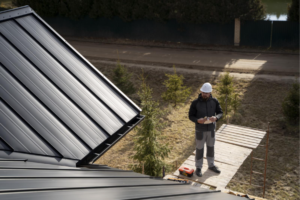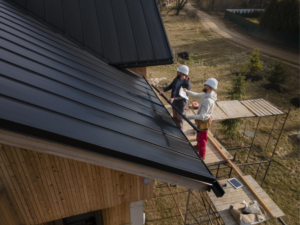

Your roof is one of the most important components of your home, protecting your family, belongings, and property value. Over time, roofs are exposed to weather, temperature changes, and natural wear and tear, leading homeowners to face the choice between a roof repair or a full roof replacement. Understanding the differences, costs, longevity, and insurance coverage implications is essential for making an informed decision. This guide helps homeowners navigate these choices, ensuring they select the solution that best meets their home’s needs.
Understanding Roof Repair
Roof repair involves fixing specific problems or areas of a roof without replacing the entire structure. Common repairs include patching leaks, replacing damaged shingles, fixing flashing, or sealing small cracks. Roof repairs are typically less expensive than full replacements and are an effective solution for minor or localized damage.
Signs You May Need a Roof Repair
Identifying whether your roof requires a repair starts with inspecting for common warning signs. Homeowners may notice missing or damaged shingles, small leaks, water stains on ceilings, or mold and mildew growth. Timely repairs can prevent minor issues from escalating into major problems that require a full roof replacement. Regular maintenance and early intervention also extend the roof’s lifespan and protect the home’s structural integrity.
Costs and Benefits of Roof Repair
Roof repair is generally more cost-effective than replacement, with costs varying based on the extent of damage, roofing materials, and labor. Repairs allow homeowners to address immediate issues without the expense of a full replacement. Additionally, repairs can extend the life of an existing roof, delay larger expenditures, and maintain home value. However, repeated repairs on an aging roof may not be cost-efficient in the long term.
Understanding Roof Replacement
Roof replacement involves removing the existing roof and installing a new one. This option is necessary when the roof is extensively damaged, aged beyond its lifespan, or experiencing widespread issues that cannot be effectively repaired. Replacement ensures a uniform, structurally sound roof and often comes with a manufacturer’s warranty.
When to Consider a Roof Replacement
Homeowners should consider roof replacement if the roof is more than 20 years old, shows significant wear, or has sustained severe storm damage. Other signs include sagging areas, extensive leaks, or curling and missing shingles across multiple sections. Roof replacement is also advisable if repairs are frequent, costly, or fail to resolve recurring problems. Investing in a replacement can prevent future emergency repairs and improve the home’s energy efficiency.
Costs and Benefits of Roof Replacement
While roof replacement has a higher upfront cost than repairs, it offers long-term benefits. A new roof increases property value, enhances curb appeal, and ensures long-term protection against weather-related damage. Additionally, replacement allows for modern materials and technologies, including energy-efficient options, improved insulation, and enhanced warranties. Homeowners may also experience lower maintenance costs and reduced risk of leaks or structural damage over time.
Comparing Roof Repair vs. Replacement
Understanding the differences between repair and replacement helps homeowners make the right decision. Repairs are ideal for minor or localized issues, addressing immediate problems at a lower cost. Replacement is the better option for aging, extensively damaged, or repeatedly problematic roofs, offering long-term reliability and value.
Cost Comparison
The cost of roof repair varies based on the damage size, material, and labor but is generally lower than replacement. Repairs typically range from a few hundred to a few thousand dollars. Replacement costs depend on the roof size, materials, and complexity of the installation, often ranging from several thousand to tens of thousands of dollars. Homeowners should weigh the short-term affordability of repairs against the long-term investment of replacement.
Longevity and Performance
Roof repairs can extend the life of a roof, but this depends on the severity of damage and overall roof age. Repairs are effective for a few years if the roof is otherwise in good condition. Replacement provides a fresh start with new materials, ensuring durability for 20 to 50 years, depending on the material selected. Homeowners should consider the roof’s age, past repairs, and overall condition when deciding.
Insurance Coverage Considerations
Homeowners’ insurance can influence the decision between repair and replacement. Insurance policies often cover damage caused by storms, hail, or other sudden events, but coverage for wear and tear or maintenance issues is limited. It’s essential to review your policy and discuss options with your insurance provider. In some cases, insurance may cover repairs or contribute toward replacement costs if the damage qualifies as sudden and accidental.
Factors to Consider When Making Your Decision
Several key factors help determine whether roof repair or replacement is the best option: the roof’s age, extent of damage, material type, frequency of past repairs, budget, and long-term home plans. Consulting with a licensed roofing professional provides an accurate assessment of damage, repair feasibility, and replacement needs. A professional inspection ensures that homeowners make informed decisions that protect their home and investment.
Material Considerations
Different roofing materials have different lifespans and repair requirements. Asphalt shingles, metal roofing, tile, and slate each respond differently to wear and environmental conditions. Repairs for certain materials may be easier and more cost-effective, while others may require full replacement sooner. Understanding material characteristics helps homeowners choose the most appropriate solution.
Long-Term Home Goals
Homeowners should consider long-term plans when deciding between repair and replacement. If the goal is to stay in the home for many years, investing in a replacement may provide peace of mind, improved performance, and added property value. For those planning to sell soon, repairs may address immediate concerns without the higher upfront cost of a full replacement.
Conclusion
Choosing between roof repair and replacement is a key decision for protecting your home. Repairs suit minor damage and are cost-effective, while replacement offers long-term durability and increased property value. Considering cost, longevity, materials, and insurance helps homeowners make informed choices. Consulting a licensed roofing professional ensures the best solution for immediate and future needs. Have roofing concerns? Contact us today to get expert guidance and choose the best solution for your home.