
Montana’s harsh seasons can wear down even the most durable commercial roofs. From snowmelt to high-altitude UV exposure, roof leaks can go undetected until they cause interior damage, equipment failure, or safety risks. For business owners and facility managers, early leak detection isn’t just smart—it’s essential.
So, what are effective commercial roof leak detection methods in MT? A combination of modern tools, regular inspections, and proactive maintenance is the best defense against costly roof failures. In this article, we break down the most reliable strategies used in Montana’s commercial spaces, with a focus on preventative care and precision diagnostics.
For business owners seeking a dependable roofing partner, learn more about Freedom Roof Solutions, a local leader in commercial roofing services across Montana.
Why Leak Detection Matters More in Montana
Montana’s climate introduces several challenges:
- Heavy snowfall and ice dams in winter
- Intense sun and temperature swings in summer
- Debris and standing water during spring runoff
These factors can weaken roof membranes, damage flashing, and compromise drainage systems. Even small punctures or splits can lead to major problems if not detected early. For large flat or low-slope roofs, leaks may not be visible until water reaches the interior—by which point repairs are often more invasive and expensive.
That’s why regular roof leak detection is essential. It protects your facility, inventory, personnel, and bottom line.
Top Methods for Commercial Roof Leak Detection in MT
- Thermal Imaging Technology
Thermal imaging (infrared scanning) is one of the most accurate and non-invasive ways to detect roof leaks in flat commercial roofs. It works by detecting temperature differences across the surface, which may indicate:
- Trapped moisture beneath the membrane
- Insulation degradation
- Heat loss due to compromised materials
Thermal imaging is especially useful for identifying hidden damage after storms or freeze-thaw cycles common in Montana. When used by trained professionals, it can pinpoint moisture locations without disrupting the structure.
- Moisture Meters
Handheld moisture meters are used to measure water presence within roofing materials. There are two primary types:
- Capacitive (non-invasive): Good for broad area scanning
- Pin-type (penetrative): Accurate for identifying exact wet spots
These tools are especially valuable during post-storm evaluations or insurance documentation.
- Routine Visual Inspections
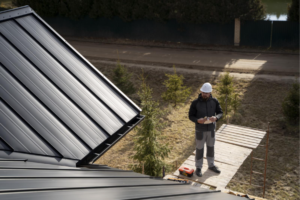
While high-tech tools are invaluable, nothing replaces a good old-fashioned roof inspection. Trained eyes can identify:
- Cracks, blisters, or tears in membranes
- Clogged or damaged drains
- Signs of ponding, algae growth, or structural sagging
- Worn flashing around HVAC units, skylights, or vents
Many leaks begin small and get worse gradually. A regular inspection schedule—twice annually and after major weather events—helps catch issues before they escalate.
To see how this fits into a full-service maintenance approach, explore our commercial roofing services tailored to MT facilities.
- Smoke or Water Testing
For more stubborn or concealed leaks, water testing (or even smoke testing for large industrial roofs) may be used. These methods simulate rainfall and help identify the leak path by:
- Flooding specific roof areas
- Observing water migration under membranes or flashing
- Monitoring where water emerges internally
This approach is especially useful in older buildings or those with complex rooflines.
- Electronic Leak Detection (ELD)
This method uses electrical currents to identify breaches in membrane systems. It’s particularly effective for newer single-ply or coated roofs and works on wet or dry surfaces. ELD is accurate and doesn’t require cutting or removing materials.
Additional Preventative Tools and Tactics
GacoPatch and Sealant Repairs
When a leak is detected, a common fast-fix solution is GacoPatch—a silicone roof patch product. It’s ideal for quick repairs on flat or low-slope roofs, as it:
- Adheres to wet surfaces
- Seals cracks and splits instantly
- Extends roof lifespan
It’s not a replacement for full re-roofing but works well when integrated into ongoing maintenance.
Drainage Solutions and Ponding Prevention
Flat commercial roofs often suffer from ponding—standing water that lingers longer than 48 hours. This not only stresses roofing materials but also increases the likelihood of leaks.
Solutions include:
- Tapered insulation systems
- Scupper and drain upgrades
- Roof slope redesigns or overlays
Addressing drainage early also helps prevent freeze-thaw cycles that lead to membrane ruptures in Montana’s winter months.
Scheduled Maintenance Plans
One of the best investments for long-term leak prevention is a formal maintenance plan. These agreements include:
- Bi-annual inspections
- Storm damage evaluations
- Priority scheduling for repairs
- Documentation for warranty or insurance
Most commercial leaks result from neglect, not failure. Preventive care is always more cost-effective than emergency response.
How Structural Checks Add Value
Roof leaks aren’t just about water—they’re about structure. Water intrusion can compromise:
- Load-bearing beams
- Insulation layers
- Ceiling systems
- Electrical and HVAC units
A structural check ensures that roofing problems haven’t jeopardized your facility’s overall integrity. This is especially critical in older buildings, warehouses, and manufacturing sites.
If your roof has a history of problems or you’re managing a larger commercial complex, it’s worth partnering with a contractor who includes structural assessments in their inspections. For expert help with major repairs or system upgrades, start here with professional roof repair backed by local knowledge.
When to Call in the Pros
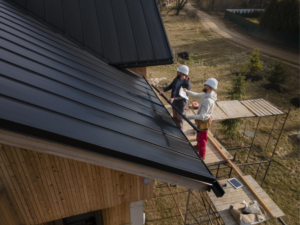
Knowing the tools is great—but using them correctly is better. You should call in a commercial roofing specialist when:
- Leaks are recurring in the same spot
- You’ve experienced storm damage
- Interior damage is visible (stains, bulging ceilings)
- You’re preparing to sell or lease the facility
- Your insurance provider requires an evaluation
Working with a local roofer means faster response time and better awareness of regional building codes, weather concerns, and warranty options.
Conclusion: Protect Your Roof, Protect Your Business
So, what are effective commercial roof leak detection methods in MT? The answer lies in a proactive strategy that blends technology, expert inspections, and smart planning. From thermal imaging to moisture detection, proper drainage, and durable sealants, the right approach helps stop leaks before they become costly problems.
Leak detection isn’t just routine maintenance—it’s a safeguard for your operations, assets, and personnel. Montana’s climate presents unique challenges, and ignoring early signs of roof failure can lead to structural damage, expensive repairs, or unexpected downtime. Staying ahead means scheduling inspections regularly, fixing ponding issues early, and relying on experienced professionals who know what to look for.
If you’re ready to strengthen your roof care strategy with trusted local expertise, commercial repair is just a step away.